ALINK Insurance Services Blog
  • Blog Home
  • Contact
  • ALINK Website

Watch out for that ICE

1/27/2016

0 Comments

 
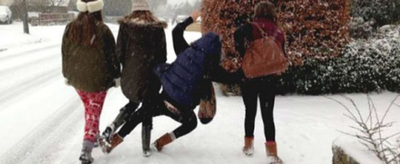
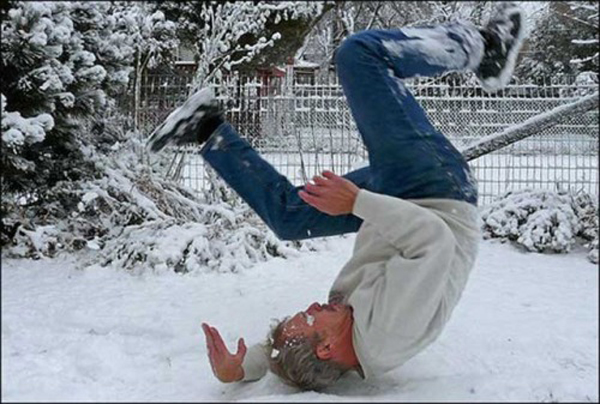
We've all been there.

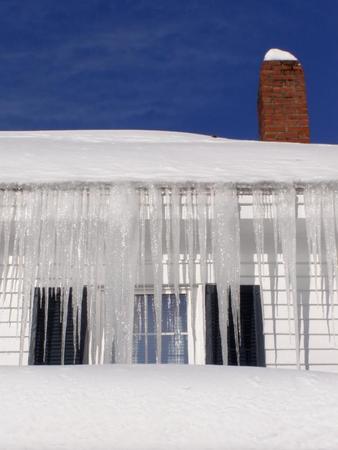
Controlling Slip and Fall Liability Risk

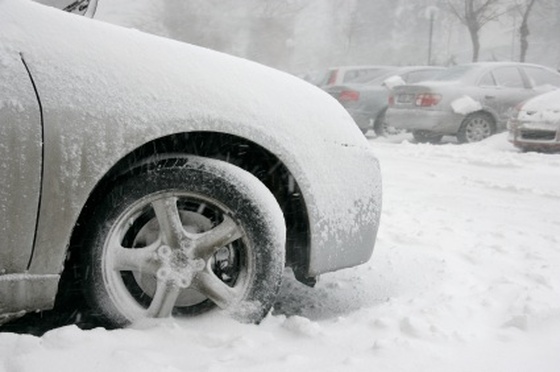
Here in the beautiful state of Colorado (or really anywhere that experiences the joys of winter weather and freezing temps), we are all too familiar with snow and ice covering our porches, driveways, sidewalks, roads, parking lots, you name it. And, I’m sure we can all recall a time or two where those slippery paths have landed us on the ground with a few colorful bruises to show for it.

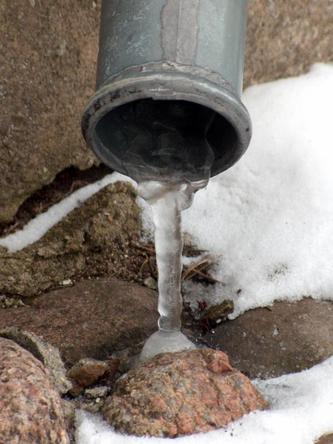
That snow and ice, whether it be on your personal or your business property, is a LIABILITY RISK.

With thousands of people injured every year, Slip and Fall Accidents are one of the most common liability risks. That being the case, it’s important to always be on the lookout for slip and fall hazards in and around your home or business and eliminate them as soon as possible.  From a business standpoint, it’s also extremely important to train your employees on what to do if someone on your premises should suffer a fall.

The Insurance Information Institute suggests routinely checking that the following things are taken care of:

  • Lighting: All areas should be adequately lit, including hallways and stairs.
  • Stairs: Handrails, steps and landings should be in good condition, clear of snow/ice.
  • Walkways: Walkways should be kept in good condition, clear of snow/ice.
  • Doormats: Doormats should be flat, slip resistant, cleaned and checked regularly in bad weather.
  • Ice and Snow: Have an effective procedure in place to assure that snow and ice are removed.
  • Exits: Exits should be well marked, well lit and clear of obstacles.
  • Parking Lot: Potholes, cracks, or uneven areas should be repaired.
  • Floors: Any changes in floor level should be clearly marked.
  • Housekeeping: General housekeeping should be maintained and storage areas kept neat.
  • Carpeting: Carpeting should be tight and smooth.
  • Spills: Have an effective procedure in place to assure that all spills are immediately cleaned up.


If there are treacherous areas on your property, such as an icy spot that hasn’t been cleared, an uneven area of the sidewalk, a ripped carpet, etc. – they also suggest that you consider marking them by using warning signs or putting up barriers around them. If you can provide evidence that you took your responsibility seriously and made reasonable efforts to prevent harm to others, you are much less likely to be found liable.

From us at ALINK Insurance Services to you, stay safe out there this winter and watch out for all that ice! Give us a call today at any of our offices listed below to discuss any of your insurance questions or needs.

Denver Metro/Parker: 303-752-6479
Colorado Springs: 719-473-6262
Greeley: 970-475-0900
Surrounding States: 877-643-6148

We’re your link to security!
0 Comments

Preparing for Winter Weather

11/6/2015

0 Comments

 
Getting ready for winter weather

Fall has arrived, but lucky for us there’s still time to get ready for winter weather, including storms. (I don’t know about you but I greatly appreciate that I have yet to shovel my driveway this year.)
Picture
This was taken on October 4th last year. Hello FALL! This year we clocked in at a nice 65 degrees, we're holding out a little longer this time around.

​We know all too well that extreme cold is always a possibility here in Colorado so we at ALINK Insurance Services have compiled some tips to help you stay safe and limit damage.


Preparing your home
  • Perform basic winter maintenance — insulate your walls and attic, caulk and weather-strip doors and windows, and insulate water lines that run along outer walls. When temperatures drop, keep water taps slightly open so they drip continuously, and keep the cabinets under sinks open to allow warmer air in.
  • If you use a fireplace or wood stove, have the chimney or flue inspected each year. Make sure your house has working smoke and carbon monoxide detectors, and test them monthly.
  • Check your emergency supplies and ensure that you have adequate food and water, along with a battery-powered radio, in the event of an extended power outage. You’ll want a week’s worth of supplies, or more if you live in a remote area.
  • Never use gas-powered generators or barbecue grills indoors. These can allow deadly carbon monoxide to build up.

Preparing your car
  • Have your vehicle serviced according to manufacturer recommendations. Check the antifreeze level.
  • Keep the gas tank near full, which helps avoid ice in the fuel lines and the gas tank itself.
  • Replace wiper fluid with a wintertime mixture.
  • Make sure your tires are in good shape and have the proper air pressure.
  • Check to confirm your battery has a good charge, your heater and defroster are working well, and that your emergency lights are functional. 

Preparing yourself
  • Always wear temperature-appropriate clothing, such as hats, gloves, scarves, etc. Remove any wet clothing immediately. And keep spare clothing in your car trunk throughout winter in case you are stranded or stuck.
  • Stay hydrated. You might think this is more important when it’s warm outside, but it’s just as vital in winter.
  • Be mindful of physical exertion and the amount of time you’re spending outdoors. Shoveling snow is hard work, so don’t overdo it!

Winter is a lot of fun (despite the snow shoveling), and we’re looking forward to all the sledding and skiing and snowboarding and trips to Beaver Creek/Aspen/Breckenridge/Copper/Vail or wherever your adventures take you! So get your house, car and body ready, and have a great season!

Picture

​Contact Us!


At ALINK Insurance Services, we can work with you to make sure you've got the coverage you need, while at the same time using all possible credits and discounts to make that coverage affordable. Just give us a call at any of our offices today!

Denver Metro/Parker: 303-752-6479
Colorado Springs: 719-473-6262
Greeley: 970-475-0900
Surrounding States: 877-643-6148

​We want to help you meet your goals, and make sure what's important to you is protected!
0 Comments

When Cold Weather Strikes...Again.

2/25/2015

0 Comments

 
Oh, Colorado.  Just as we’re getting used to the warm, spring like temps, the COLD winter gets us again! You would think that after living here for nearly 13 years I would be more used to this cycle – still gets me every time.

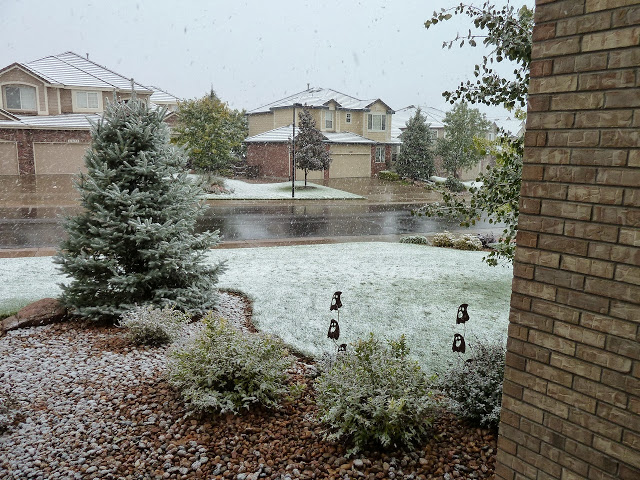
Much of the country is experiencing a period of extended severe weather.  Fortunately, we aren't quite seeing this out our windows…
You never know when that next big snow storm will strike.  The Insurance Information Institute offers these tips to keep your home safe and make insurance losses less likely during extended severe weather.

  • Keep sidewalks and entrances to your home free from snow and ice.
  • Watch for ice dams near gutter downspouts. Keep gutters free of leaves and debris so melting snow and ice can flow freely. Ice dams can cause water to build up and seep into your house.
  • Keep the house heated to a minimum of 65 degrees. The temperature inside the walls where the pipes are located is substantially colder than the walls themselves. A temperature lower than 65 degrees will not keep the inside walls from freezing.
  • Identify the location for the main water shutoff in your home. Find out how it works in case you have to use it.
  • Open hot and cold faucets enough to let them drip slowly. Keeping water moving within the pipes will prevent freezing.
  • If you own a swimming pool and temperatures are expected to dip below freezing, run the pool pump at night to keep the water flowing through the pipes.
  • If you haven’t already, make sure all hoses are disconnected from outside spigots.
  • If your garage is attached to your house, keep the garage doors closed. The door leading to the house is probably not as well-insulated as an exterior door.
  • If ice forms on tree limbs, watch for dead, damaged or dangerous branches that could break and fall because of ice, snow or wind and damage your house, a car, or injure someone walking near your property.
  • If you use fireplaces, wood stoves and electric heaters, watch them closely and make sure they are working properly.
  • Remember to close the flue in your fireplace when you’re not using it.
  • If you have to leave your home on a trip, ask a neighbor to check the house regularly. If there is a problem with frozen pipes or water leakage, attending to it quickly could mean far less damage.
  • If you plan to be away for an extended period of time (or if temperatures are expected to remain below freezing), have the water system, including pool plumbing, drained by a professional to keep pipes from freezing or bursting.


Stay safe out there! Call ALINK Insurance Services today with any of your insurance needs or questions.

Denver Metro/Parker: 303-752-6479
Colorado Springs: 719-473-6262
Greeley: 970-475-0900
Surrounding States: 877-643-6148

We’re your link to security!
0 Comments

Snowmobile Season

1/23/2015

0 Comments

 
Tips to stay safe during snowmobile season

If you live or vacation where the weather gets cold and the snow falls, some people are content to cozy up next to the fire with a good book and concentrate on staying warm.

For others, though, it’s time to get excited — because it’s time to break out the snowmobiles and head to the nearest winter recreation spot. It’s a popular activity, and for good reason: Snowmobiling allows you to explore natural areas that may be hard to access by foot (or snowshoe), and provides a different kind of excitement than skiing or hiking.


Picture
Picture
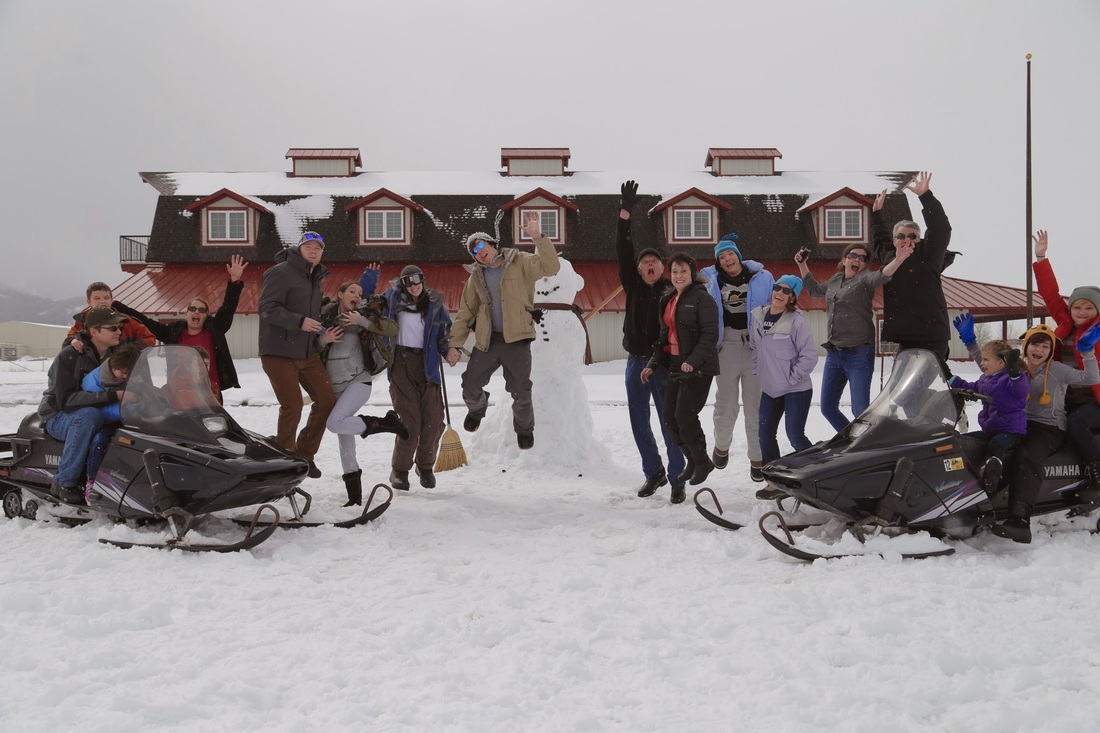
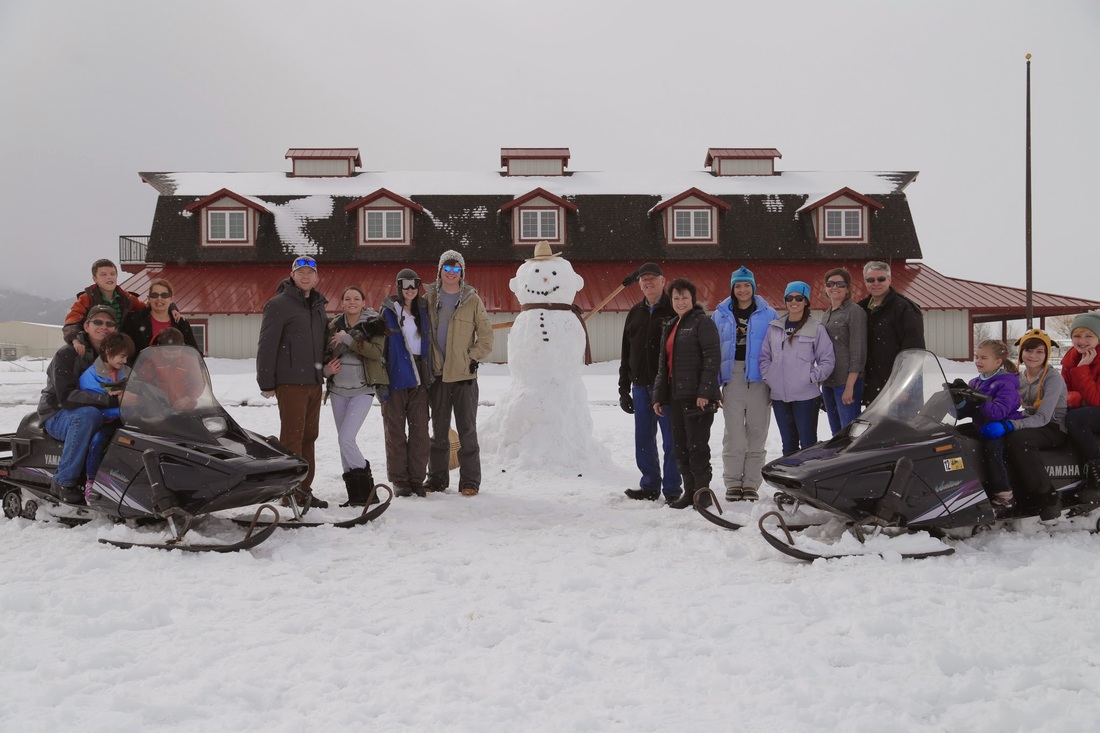
President of ALINK Insurance Services, Bill Syddall and his family enjoying the snow {and snowmobiles} up at the family barn in Wyoming.
Of course, snowmobiling presents some dangers as well. And here at ALINK Insurance Services, we want you to make it home safely after your day in the snow. Read on for safety tips from the American Council of Snowmobile Associations — and keep in mind that following these will not only help you stay safe, but also influence equitable treatment of snowmobile access by government, agencies and landowners.

SPEED: Speed is a major factor in many snowmobile crashes. Always keep your speed slow enough to ensure that you’re in control.

ALCOHOL: Use of alcohol or any other drug that causes impairment is a leading cause of snowmobile-related fatalities. It’s best to refrain from any use at all before and during outings because of potential effects on vision, reaction time, balance and coordination. When combined with excess speed in particular, the results can be deadly.

AVALANCHE: More than 90 percent of the time, avalanches that involve people are triggered by the victims. Learn to follow avalanche safety procedures and always know the risks at all times.

RIDING AT NIGHT: Nighttime snowmobiling is fun, but extra caution should be used. Ride at slower speeds so as not to override your headlights (which generally illuminate your path for about 200 feet). Faster speeds could mean that you have little or no time to react to an obstacle in your path.

ROADWAYS: Always keep an eye out for vehicles, as many trails are located alongside roadways and can cross over them. Be sure to stop fully at all stop signs and unmarked road crossings.

CLOSED AREAS: Areas may be closed to snowmobiles due to hazardous conditions, wintering wildlife, non-motorized recreation or by landowner request. It’s important to honor these closures for safety purposes and to help protect access to other riding areas.

While it’s extremely important to follow these tips for your personal safety, it’s also vital to encourage others to snowmobile safely. Helping to educate others will not only promote safety for all snowmobilers, but also protect the sport’s image as well.

Whether you’re a new rider or have been on the trails for years, ask yourself if you could be riding more safely. There are many more winters to come, and we want you to be able to enjoy as many of them as possible!  


Give us a a call today with any of your insurance needs or questions.  We are here for YOU! 

Denver Metro/Parker: 303-752-6479
Colorado Springs: 719-473-6262
Greeley: 970-475-0900
Surrounding States:
877-643-6148
0 Comments

Warming Up Safely

11/13/2014

0 Comments

 
There’s nothing quite like warm gloves, hot apple cider, and the comforting warmth a home full of family and friends brings during the holiday season!  (Especially when temperatures outside drop below zero on a whim, only in Colorado!)

Picture
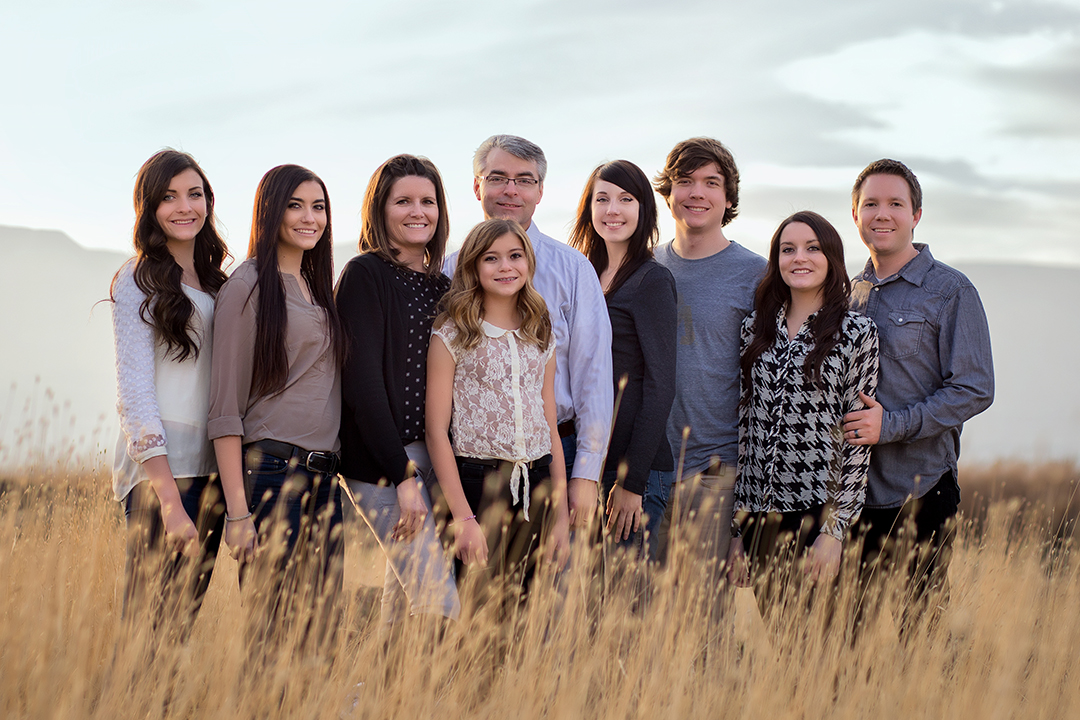
President of ALINK Insurance Services, Bill Syddall and his family enjoying last year's Thanksgiving holiday together.


These freezing temps call for some HEAT.  It’s time to crank up the furnace, light up the fireplace, and pull out the space heater to warm things up around here.  However, all of this heating brings along with it an increased risk for winter fires in the home.  Consider the following heating safety tips from the United States Fire Administration and the National Fire Protection Association to protect your home and family this winter:


FURNACE HEATING


  • Be sure all furnace controls and emergency shutoffs are in proper working condition.
  • Inspect the walls and ceiling near the furnace and along the chimney line.  If the wall is hot or discolored, additional pipe insulation or clearance may be required.
  • Check the flue pipe and pipe seams.  Are they well supported, free of holes, and cracks?  Soot along or around seams may be an indicator of a leak.
  • Leave furnace repairs to qualified specialists.  Do not attempt repairs yourself unless you are qualified.  
  • Keep trash and other combustibles away from the heating system.


WOOD STOVES AND FIREPLACES


  • Be sure the fireplace or stove is installed properly.
  • Have the chimney inspected annually and cleaned if necessary, especially if it has not been used for some time.
  • Do not use flammable liquids to start or accelerate any fire.
  • Keep a glass or metal screen in front of the fireplace opening to stop embers from flying into the room.
  • Never discard hot ashes inside or near the home.  Let them cool before placing them in a metal container outside and well away from the house.
  • Never burn charcoal indoors.  Burning charcoal can give off lethal amounts of carbon monoxide.
  • Before you go to sleep, make sure your fireplace fire is out.  NEVER close your damper with hot ashes in the fireplace.


SPACE HEATERS

  • If using an electric heater, be sure not to overload the circuit. 
  • Avoid using electrical space heaters in bathrooms, or other areas where they may come in contact with water.
  • Keep young children away from space heaters – especially when they are wearing night gowns or other loose clothing that can easily ignite.
  • Never use fuel burning appliances without proper room venting.
  • Use only the fuel recommended by the heater manufacturer.
  • Keep kerosene, or other flammable liquids stored in approved metal containers, outside of the house.
  • Never fill the heater while it is operating or hot.  Do not overfill and be sure to refuel outside of the home.
  • Never use your oven to heat your home.


OTHER IMPORTANT REMINDERS
  • Test smoke alarms monthly.
  • Plan and practice a home escape plan with your family.


Warm up safely this winter!  Contact us at ALINK Insurance Services for all of your insurance needs and questions, we’re your link to security! 


Denver Metro/Parker: 303-752-6479
Colorado Springs: 719-473-6262
Greeley: 970-475-0900
Surrounding States: 877-643-6148
0 Comments

Winterizing Vacant Homes

10/21/2014

0 Comments

 
Picture
If you have a vacation home, an unoccupied rental, or are going to be away for an extended period of time this winter, getting your vacant home ready for the cold weather is an important step. Homes that are not properly winterized are prime candidates for burst water pipes and subsequent water damage. Water damage affects not only the plumbing, but also the walls, ceiling, floors, and any personal items that may be kept in the home. Repairs can cost in the thousands of dollars. Taking action now will ensure that your property and your belongings are secure. 

 What is Winterization?

In order to winterize a home, a number of steps must be taken to ensure that it is ready for cold weather. This includes the following:

  • Turning off water supply.

  • Turning off and draining water heater.

  • Draining supply lines.  

  • Blowing out water supply lines to ensure there is no remaining water.

  • Draining appliances and any water filters or water treatment  systems.

  • Draining heating systems if needed.

  • Filling drains or traps with anti-freeze.


If you plan to be gone for a short period of time over the winter, full winterization is not necessary, but at the very least be sure to leave your heat on at a minimum setting. While this may seem like a waste of money and energy, the price of your heating bill will still be less expensive than damages that might occur with a frozen pipe. You can, however, turn off the main water supply to a home, as this will also help prevent against frozen pipes.

ALINK Insurance Services is here for you!  Contact us to discuss any of your insurance needs.

Denver Metro/Parker: 303-752-6479
Colorado Springs: 719-473-6262
Greeley: 970-475-0900
Surrounding States: 877-643-6148


Materials obtained from the Advantage Sewer & Drain October 2014 Newsletter

0 Comments

Preparing Your Home for Winter

10/17/2014

0 Comments

 
Picture
The crisp autumn mornings are a sure sign that winter is near. Raking the leaves in the yard is an expected household chore, but don't forget that not all of your preparations need to happen outside in the yard. Before the sub-zero temperatures arrive it is important to pay attention to the plumbing as well.

 Preparing Your Home for Winter:

Preparing your home for the cold weather is one of the most important things you can do this fall. Follow these tips to ensure that you don't end up with frozen pipes this winter.


  • Make sure furnace is set at a minimum of 55 degrees to prevent frozen pipes.
  • Disconnect outdoor water hoses.
  • Close the shut-off valves leading to outside faucets, and drain water from the pipes.
  • Because your water heater works harder in cold temperatures, be sure that it is running at optimal levels. Flush the tank to rid it of sediment and build-up.
  • Set your water heater at 120 degrees for ideal performance. (Note this is scalding hot water, be sensitive to safety concerns with small children in the home.)
  • Clear leaves and debris from gutters and downspouts.
  • Insulate water lines that run along exterior walls.
  • Open cabinet doors to allow heat to flow in concealed spaces.
  • Inspect and clean your sump pump.
  • Clean sewer lines to prevent a backup.
  • Check weather stripping and insulation around exterior doors and windows.

Let's take these cooler temperatures on by storm and be prepared!  Contact us here at ALINK Insurance Services to ensure that all your insurance needs are met this approaching winter season.


Denver Metro/Parker: 303-752-6479
Colorado Springs: 719-473-6262
Greeley: 970-475-0900
Surrounding States: 877-643-6148


Materials obtained from the Advantage Sewer & Drain October 2014 Newsletter

0 Comments

Winter Weather Safety Tips

2/4/2014

0 Comments

 
Picture

Just over a week ago, thousands of Atlanta students were stranded all night long in their schools before being reunited with their parents. Rescuers rushed to deliver blankets, food, gas and a ride home to countless shivering motorists stopped cold by a storm that paralyzed the business capital of the South with less than 3 inches of snow. Here in the Rocky Mountain region, 3 inches of snow is merely an inconvenience, however, a lesson can be learned about the need to be prepared for severe weather in any region.

Our partners at The Hartford shared that severe winter weather can occur in many forms:  rain, sleet, ice, snow, and hail or any combination. A change of only a few degrees can often make the difference between a rainy winter day and a severe winter storm.

Severe winter storms can be local or cover large areas of the country; they may vary with intensity, depending on location. Their residual effects can hamper local or distant services critical to you. Store shelves can be wiped out of food and supplies within hours.

Winter storms can knock out power, heat and communication to your home or business, sometimes for many days. A severe storm can immobilize an entire region.

Storms can also occur back-to-back in quick succession, providing little time to recover from one storm before the next one strikes.

In addition to a 2-week supply of food and water, the Federal Emergency Management Agency (FEMA) recommends that you take the following winter weather safety steps to prepare for storms:

  • Add these supplies to your emergency kit: rock salt or other ice-melt, sand to improve traction, snow shovels and other snow-removal equipment, sufficient heating fuel, and adequate clothing and blankets to stay warm.
  • Make a family communication plan. In case you’re not together when a storm hits, you need to know how to get in touch with each other and come up with plans, just in case.
  • Pay attention to local TV and radio station for important updates from the National Weather Service and be alert to changing weather conditions.
  • Minimize travel. If travel is necessary, keep a disaster supplies kit in your car.
  • Bring pets inside during bad winter weather. Move other animals to sheltered areas where they have access to non-frozen drinking water.

You can take the Pledge to be Prepared on the FEMA website here.

Keep your eye on the weather, be prepared, and stay safe!
0 Comments

    Archives

    November 2019
    October 2019
    June 2019
    May 2019
    March 2019
    February 2019
    January 2019
    December 2018
    May 2016
    April 2016
    March 2016
    February 2016
    January 2016
    December 2015
    November 2015
    October 2015
    September 2015
    August 2015
    July 2015
    June 2015
    May 2015
    April 2015
    March 2015
    February 2015
    January 2015
    December 2014
    November 2014
    October 2014
    September 2014
    July 2014
    June 2014
    May 2014
    April 2014
    March 2014
    February 2014
    January 2014

    Categories

    All
    Auto Insurance
    College Student Insurance
    Cyber Insurance
    Disaster Perparedness
    Distracted Driving
    Fall Home Maintenance
    Fall Maintenance
    Fire
    Flood Insurance
    Good Student Discount
    Hail Damage
    Holidays
    Home Insurance
    Home Inventory
    Home Security
    Identity Theft
    Independent Agents
    Inland Marine
    Insurance Checkup
    Jewelry And Valuables
    Just For Fun
    Life Insurance
    Long-Term Care Insurance
    Policy Shopping
    Rental Car Insurance
    Renter's Insurance
    Roadside Assistance
    Safe Driving
    Safety
    Safety Awareness
    Save
    Severe Weather
    Spring Home Maintenance
    Storm Damage
    Summer Safety
    Teen Drivers
    Watercraft Insurance
    Wedding
    Wedding Insurance
    Wellness
    Winterizing Your Home
    Winter Travel
    Winter Weather

    RSS Feed

Powered by Create your own unique website with customizable templates.