ALINK Insurance Services Blog
  • Blog Home
  • Contact
  • ALINK Website

Spring is in the Air

3/29/2016

0 Comments

 
Daylight Savings Time is also Daylight Safety Time.

Happy SPRING! This cold weather and these blizzards were sure ready to give spring a warm welcome …. Not giving up that easy! Let's just close our eyes and dream of wild flowers...

Picture
In most places in the United States, March 13th was Daylight Savings. We moved our clocks forward and lost that precious extra hour of sleep. While that’s not my favorite day of the year, we here at ALINK Insurance Services want to remind you it’s a great time to improve your family’s safety.


Be safe in your home

Health and safety agencies often use the approach of Daylight Saving Time to remind people to change the batteries in their smoke alarms. The American Red Cross
 suggests you test your smoke alarms and talk with your family about your fire escape plan. Whether you live in Colorado, or elsewhere, practice the plan too – at least twice a year.

Daylight Saving is a great time to check your emergency preparedness kit to make sure it’s fully stocked with fresh supplies.


Carbon Monoxide a concern too

According to the Centers for Disease Control and Prevention, more than 400 people die annually in the US from carbon monoxide poisoning. The CDC recommends changing the batteries in your CO detectors around the time you move your clocks forward.

The CDC says the most common symptoms of carbon monoxide poisoning include headache, dizziness, weakness, nausea, vomiting, chest pain and confusion.

See the CDC’s site for more ways to prevent carbon monoxide exposure.


​

Now here’s to warmer days ahead! We here at ALINK Insurance Services hope these tips help and we hope you all have a wonderful spring!


Contact us!


Denver Metro/Parker: 303-752-6479
Colorado Springs: 719-473-6262
Greeley: 970-475-0900
Surrounding States:
877-643-6148


0 Comments

Home Efficiency

5/6/2015

0 Comments

 
Picture
Is your home as efficient as it could be?

Drafty windows. Leaky faucets. Dirty air filters.

All are common issues and they’re not only annoying — they also cost you money in decreased energy efficiency and higher utility bills.

Would you like to save $200 to $400 a year on your energy costs? That’s how much the U.S. Environmental Protection Agency’s Energy Star program estimates that homeowners can save by incorporating technologies to make their homes operate more efficiently. 
Of course, helping to protect you and your family is our goal at ALINK Insurance Services, and keeping your home well-maintained usually means your home will be safer as well. Several of the tips below from the National Association of Home Builders will help you accomplish both.

 
Do a home-energy audit. Making your home more efficient can seem like an overwhelming task. But “auditing” your energy efficiency is something you can do yourself, and it’s relatively simple. This will show you where your home loses energy, how efficient your heating and cooling systems are, and ways you can decrease your electricity use. Just inspect the areas listed here and note the problems you find.

Where’s the air? Air commonly “leaks” from homes through gaps around baseboards, electrical outlets and windows or doors. Stopping these drafts can save up to 30 percent of your yearly energy costs. Be sure to check your home’s exterior as well, paying particular attention to areas where two different building materials meet. When you find leaks, seal them with caulk or weather stripping.

Don’t wait … insulate! Check to see if the amount of insulation in the ceiling and walls is sufficient. Your attic door should be insulated and close tightly. For walls, make a small hole in a closet or other inconspicuous place and probe into the wall with a screwdriver — the area should be completely filled with insulation.

Do a systems check. Efficient heating and cooling systems can save you frustration as well as money. Make sure ducts and pipes are insulated properly, and have your equipment checked and cleaned by a professional each year. Filters for forced-air furnaces should be replaced as soon as they are dirty, or every 30 to 60 days.

Let there be (efficient) light. Lighting can account for up to 20 percent of your home’s total electricity use, so consider compact fluorescent lamp (CFL) bulbs, which last longer and use far less energy than incandescent bulbs.

The only thing left to do after you complete your audit (and make any necessary changes)? Figuring out how to spend the money you’ll save each year! Add on the potential insurance savings through ALINK Insurance Services and that money will be burning a hole in your pocket.


Give us a call!

Denver Metro/Parker: 303-752-6479
Colorado Springs: 719-473-6262
Greeley: 970-475-0900
Surrounding States: 877-643-6148

0 Comments

Borrowing a Car

3/11/2015

0 Comments

 
I’m borrowing my friend’s car … am I covered?  

Most people have an idea of what’s covered and not covered under their various insurance policies. But at ALINK Insurance Services, we get a lot of questions about borrowing or loaning a car.

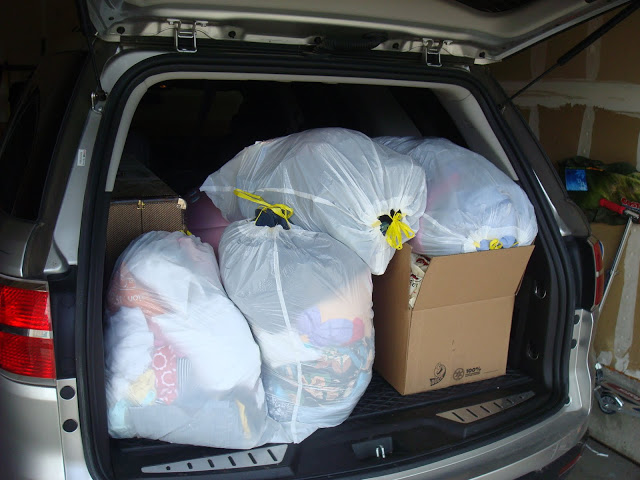
Now that spring is drawing near, you might be looking to borrow your neighbor’s truck for a home-improvement project or a trip to the local donation center or landfill after a deep spring cleaning (my favorite). So let us provide you with a little more information!
Picture
With five kids, you collect STUFF over the years (as I'm sure anyone with children can relate). A routine Goodwill haul after a good deep clean helps keep things in order.
Generally, insurance coverage follows the vehicle rather than the driver. So in most instances, as long as the owner of the car has insurance, it’s covered even if someone other than the owner is driving it — as long as they have the owner’s permission.

The borrower’s insurance is considered secondary, meaning that in the event of an accident, it could apply if the owner’s insurance is insufficient to fully cover the damage.

It’s important to note that there are some exceptions to what is called “permissive use” coverage. For example, permission must be given by the owner, unless the borrower has a reasonable belief that they are allowed to use the car. However, the borrower cannot give permission to someone else. So if your teenager allows one of his or her friends to drive your car to lunch one day, your coverage likely won’t apply. 

Coverage might also be denied if the borrower operates the vehicle in a negligent or criminal manner. And if the borrower is using your car for business purposes, your personal auto policy likely won’t cover that.

If you have a regular long-term arrangement to either borrow or lend a car, the borrower should probably be added to the owner’s personal auto policy. Those who don’t own a car, but often borrow one, might also consider “named non-owner coverage,” an endorsement that provides bodily injury and property damage liability, uninsured motorists coverage and more.

Ultimately, it’s usually safe to loan your friend your car for occasional errands or projects. And the same goes for borrowing a car. Just make sure it’s for “normal” use. You’ll want to confirm that the car has coverage and that your insurance, whether you’re the owner or borrower, will apply. 


Feel free to give us a call here at ALINK Insurance Services if you have any questions — after all, you don’t want to wait until after an accident to get answers! 

Denver Metro/Parker: 303-752-6479
Colorado Springs: 719-473-6262
Greeley: 970-475-0900
Surrounding States: 877-643-6148

We’re your link to security!
0 Comments

Spring Has Sprung: Central Air Conditioning Maintenance

4/11/2014

0 Comments

 
Picture
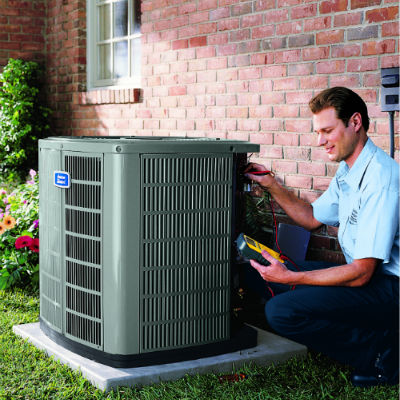
It's a beautiful day in Colorado. Blue skies... sunshine... temps in the 70's. Spring is definitely on it's way! Before you know it, you'll need to turn on the air conditioning to cool off on an especially hot summer-like spring day. Now is the best time to schedule a check-up on your central air conditioning unit(s) to make sure it's ready to do the job. If you haven't had regular check-ups in the past, you may be wondering why you should start... to save money! Having an HVAC contractor service your unit(s) can save thousands of dollars down the road if they discover something minor that could potential lead to big issues later on - often those big issues occur at the most inconvenient time (end of July? on consecutive 90 to 100 degree days?).

In order to safely test a central air conditioning unit, the ambient temperature should be 65 degrees or higher. In Colorado, this time frame can be as early as April, but definitely by May. It's a good idea to schedule a check-up early as the HVAC companies will get busier and their schedules tighter as the weather heats up. This testing should be done annually, and the cost varies from $75 to $100, provided no major repairs are needed.

During the service call, the HVAC technician should perform the following:
  • Check for proper refrigerant (freon) levels. A low level indicates a leak, which will need to be located and repaired before adding more freon.
  • Check all electrical components and controls.
  • Clean evaporator and condenser coils as needed.
  • Oil motors as needed.
  • Calibrate the thermostat.
  • Check Condenser.
  • Check filters.

Here are a few basic maintenance tips for the homeowner:
  • Check the condensing until outside to make sure it's not covered up. Some homeowners intentionally cover the unit, even though it's not necessary because it's designed to withstand the natural elements. Clear dead leaves, lawn furniture, toys, newspapers, and other debris that collects throughout the winter away from the unit.
  • Run the air conditioner before you need it. If you wait until it's hot, you could possibly be stuck in a long line of homeowners waiting for an HVAC technician.
  • Change filters regularly. Dirty filters reduce efficiency, restrict air flow, and can lead to mechanical failure in some cases.
  • Be sure your thermostat is set to the cooling mode.
  • Never use water to clean the air conditioning unit. A clean unit will operate at top efficiency, but using a hose and water to clean it could run the risk of electrical shock and possibly shorting electrical components.

At ALINK Insurance Services, saving you money and providing excellent service and security is our goal. Call us for any questions you may have concerning your current policy and coverages. We're here to help!
0 Comments

    Archives

    November 2019
    October 2019
    June 2019
    May 2019
    March 2019
    February 2019
    January 2019
    December 2018
    May 2016
    April 2016
    March 2016
    February 2016
    January 2016
    December 2015
    November 2015
    October 2015
    September 2015
    August 2015
    July 2015
    June 2015
    May 2015
    April 2015
    March 2015
    February 2015
    January 2015
    December 2014
    November 2014
    October 2014
    September 2014
    July 2014
    June 2014
    May 2014
    April 2014
    March 2014
    February 2014
    January 2014

    Categories

    All
    Auto Insurance
    College Student Insurance
    Cyber Insurance
    Disaster Perparedness
    Distracted Driving
    Fall Home Maintenance
    Fall Maintenance
    Fire
    Flood Insurance
    Good Student Discount
    Hail Damage
    Holidays
    Home Insurance
    Home Inventory
    Home Security
    Identity Theft
    Independent Agents
    Inland Marine
    Insurance Checkup
    Jewelry And Valuables
    Just For Fun
    Life Insurance
    Long-Term Care Insurance
    Policy Shopping
    Rental Car Insurance
    Renter's Insurance
    Roadside Assistance
    Safe Driving
    Safety
    Safety Awareness
    Save
    Severe Weather
    Spring Home Maintenance
    Storm Damage
    Summer Safety
    Teen Drivers
    Watercraft Insurance
    Wedding
    Wedding Insurance
    Wellness
    Winterizing Your Home
    Winter Travel
    Winter Weather

    RSS Feed

Powered by Create your own unique website with customizable templates.
